

Almost two centuries of factory

From cotton mill and machine factory, through fourteen silent years, to a hotel and restaurant. Scroll through time.

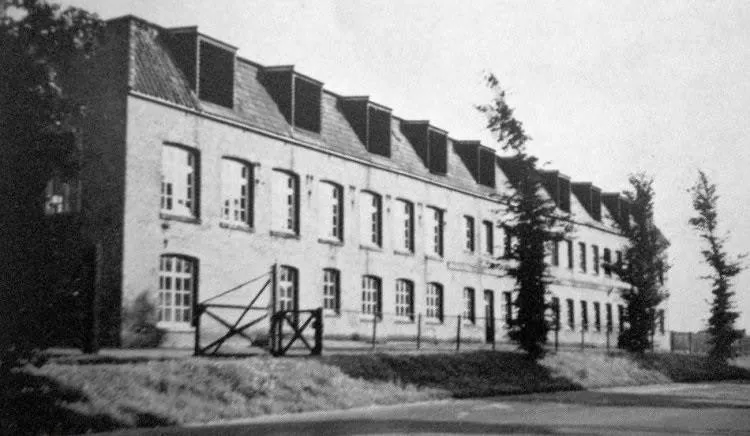
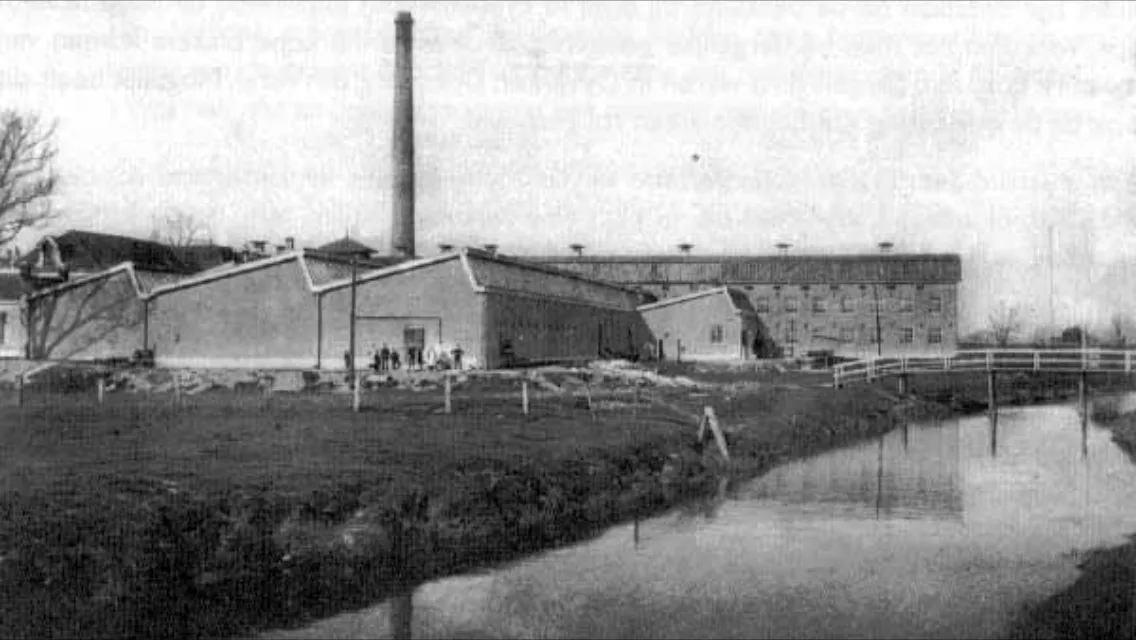
The textile factory on the Berkel
1 / 2The textile factory on the Berkel
Bouquié also campaigned for the Nieuwe Brug (1837) and the road between Enschede, Haaksbergen, Eibergen and Groenlo.
2 / 2Bouquié also campaigned for the Nieuwe Brug (1837) and the road between Enschede, Haaksbergen, Eibergen and Groenlo.

1834

A factory on the Berkel

The Belgian Jean Baptiste Paul Bouquié builds a textile factory on the Reuverskamp by the Berkel. For generations, a cotton weaving mill runs here.
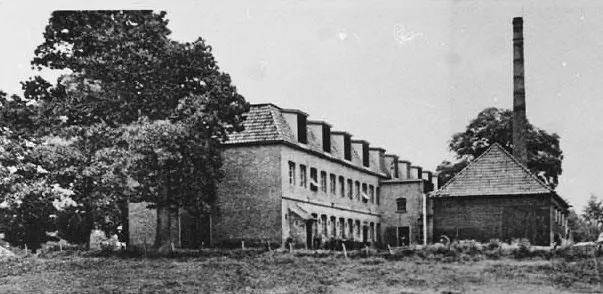
The Prakke factory, with its tall chimney
1 / 2The Prakke factory, with its tall chimney
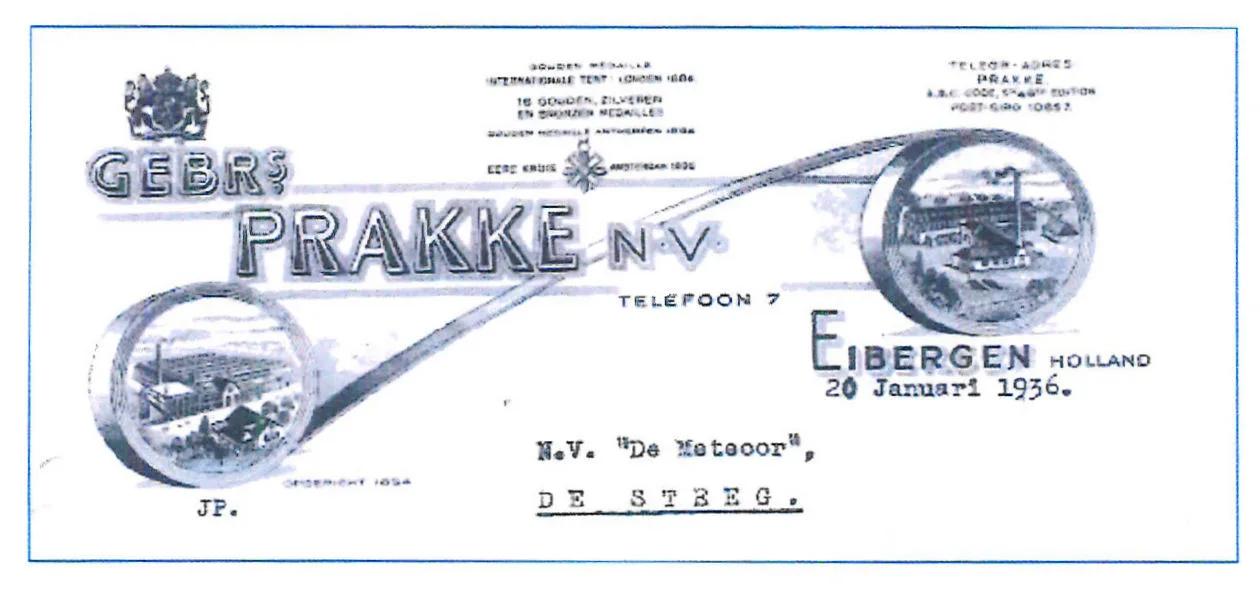
Letterhead of Prakke N.V., 1936. The family ran several factories in the region; only this building has survived.
2 / 2Letterhead of Prakke N.V., 1936. The family ran several factories in the region; only this building has survived.

Around 1900

The pickers at Prakke

Around 1900, the Prakke factory is founded. Until the 1970s it makes pickers here: buffalo-hide buffers that catch the shuttles in the weaving looms.
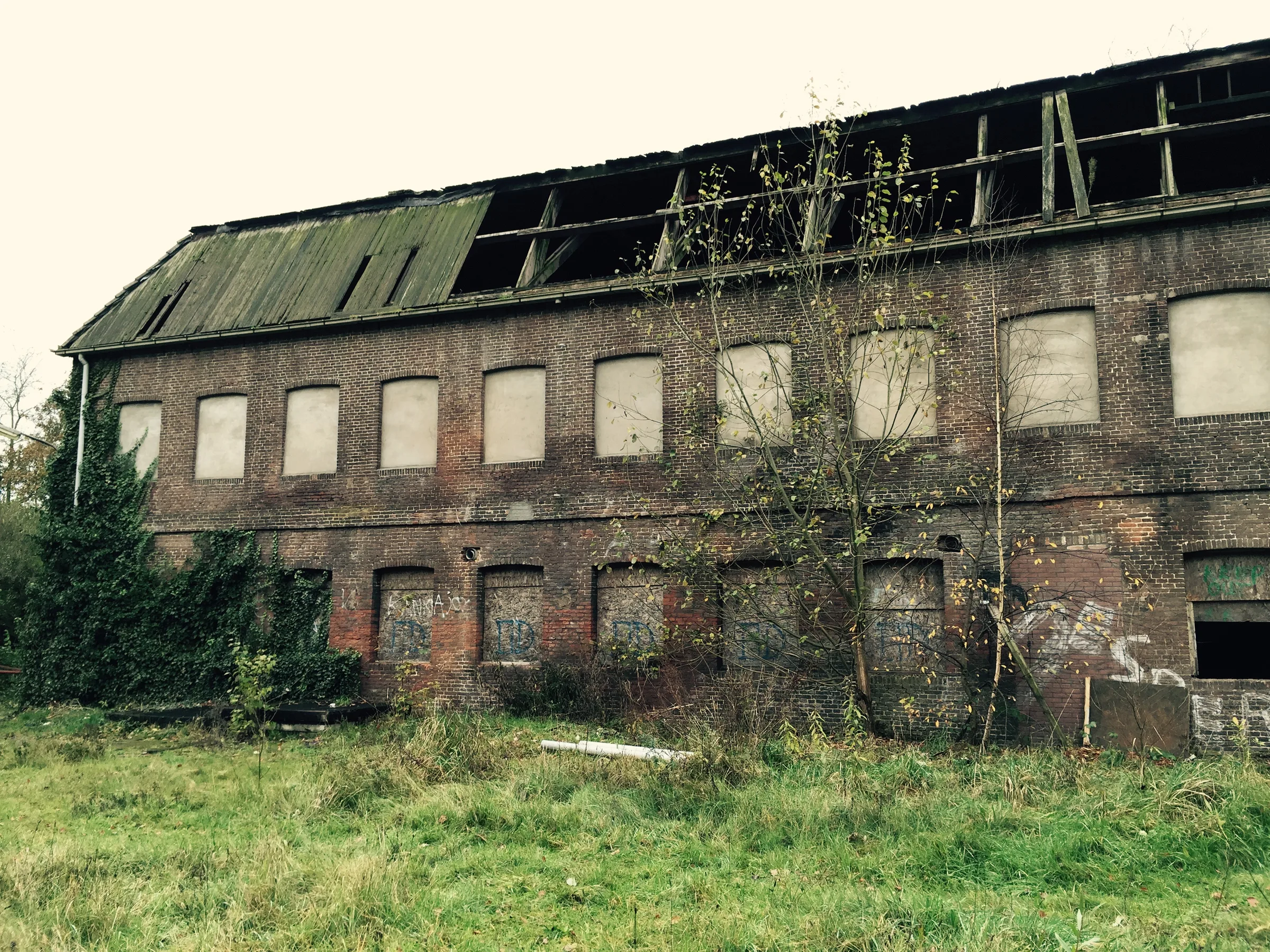
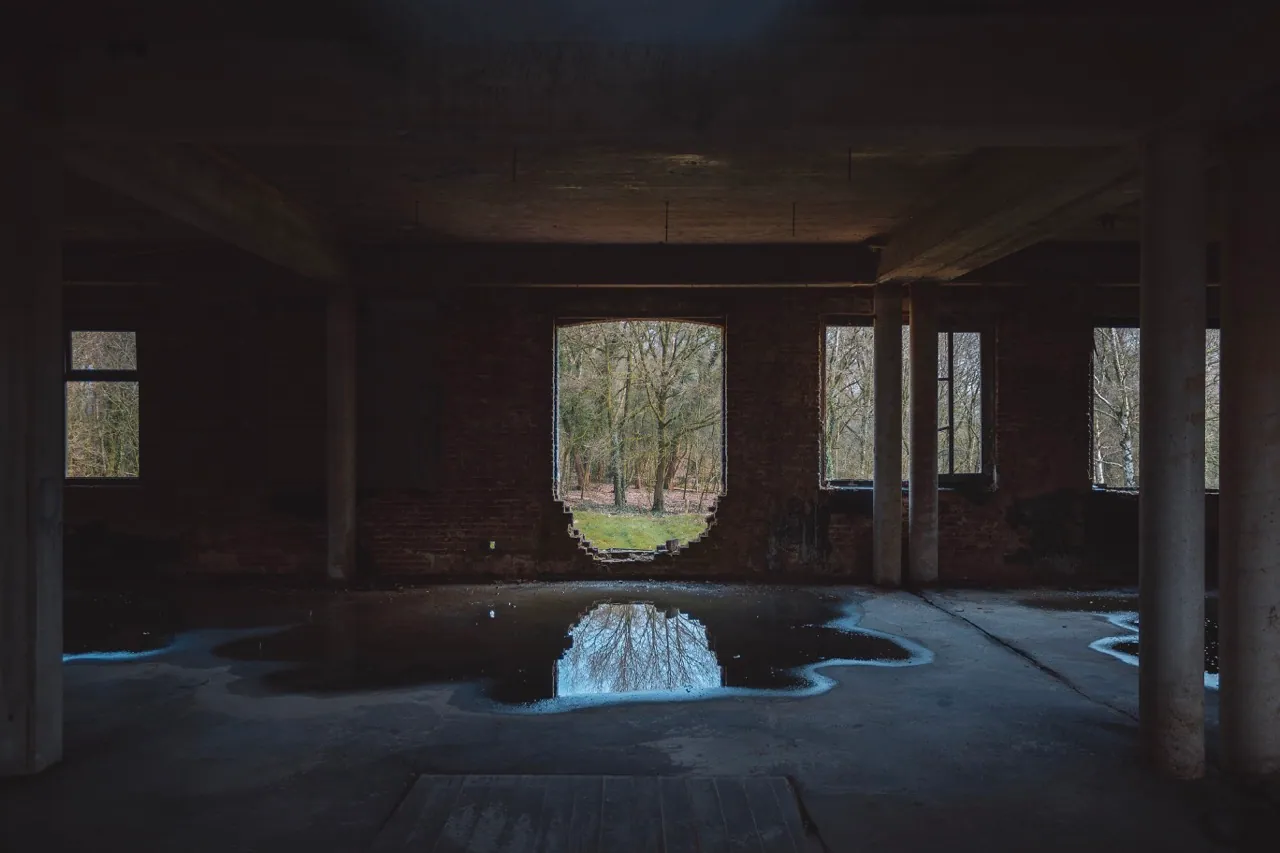
In 2006 the Habion foundation buys the building for care housing, but the plan falls through.
1 / 3In 2006 the Habion foundation buys the building for sheltered housing, but the plan falls through.
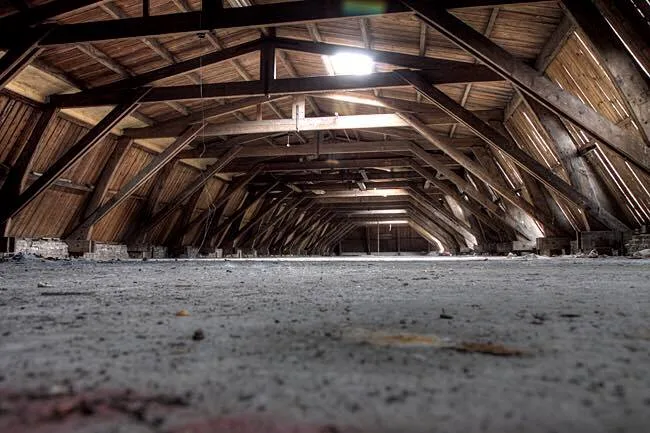
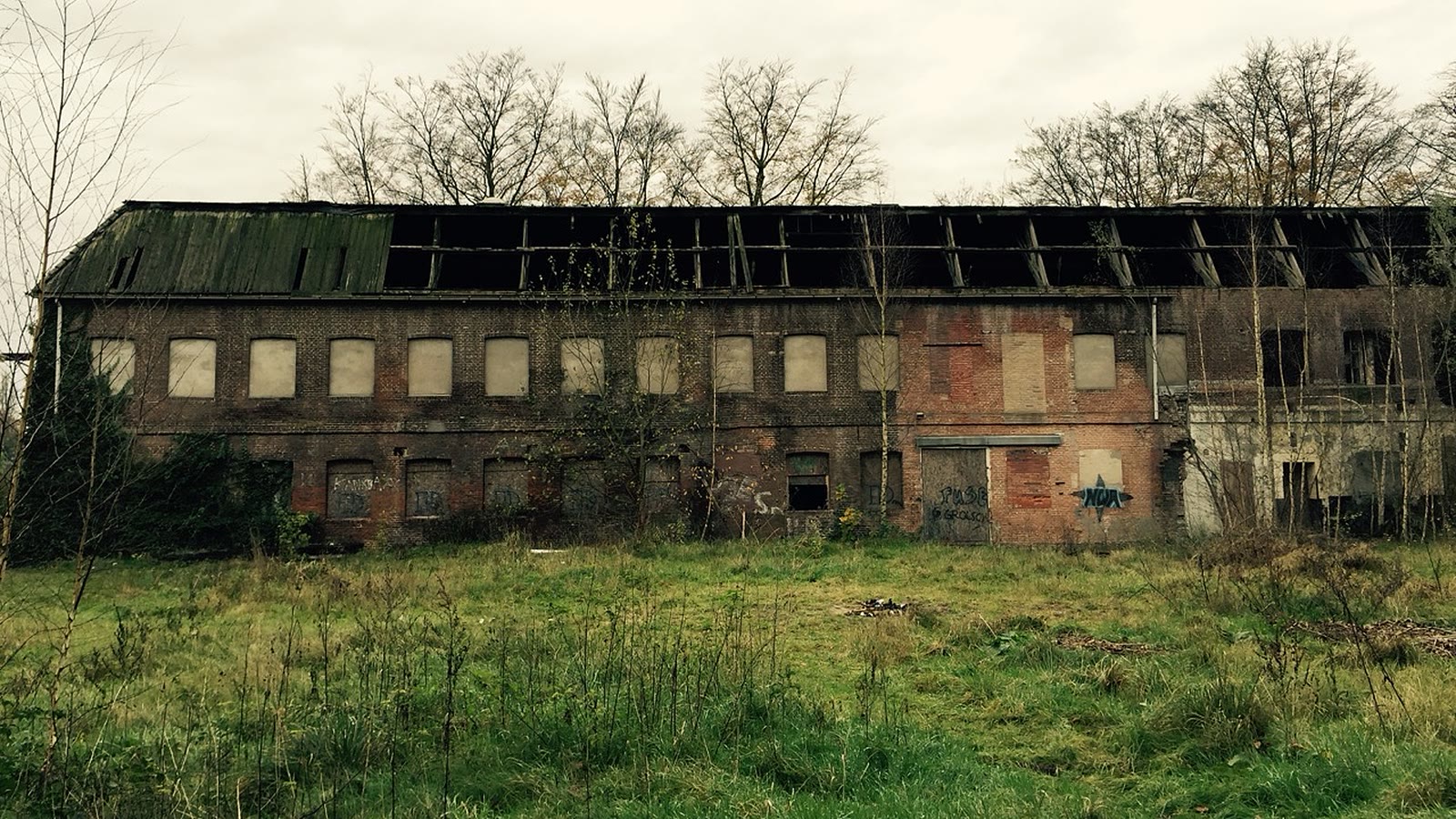
For more than fourteen years, one of the best-preserved factory buildings in the eastern Netherlands stands empty.
2 / 3For more than fourteen years, one of the best-preserved factory buildings in the eastern Netherlands stands empty.
Moss grows beneath the roof beams. Demolition lies in wait.
3 / 3Moss grows beneath the roof trusses. Demolition lies in wait.

Around 1970

Gemavo, and then silence

Around 1970, the Gemavo machine factory moves into the building; many people from Eibergen work there. After its bankruptcy in 2001, the factory falls silent.
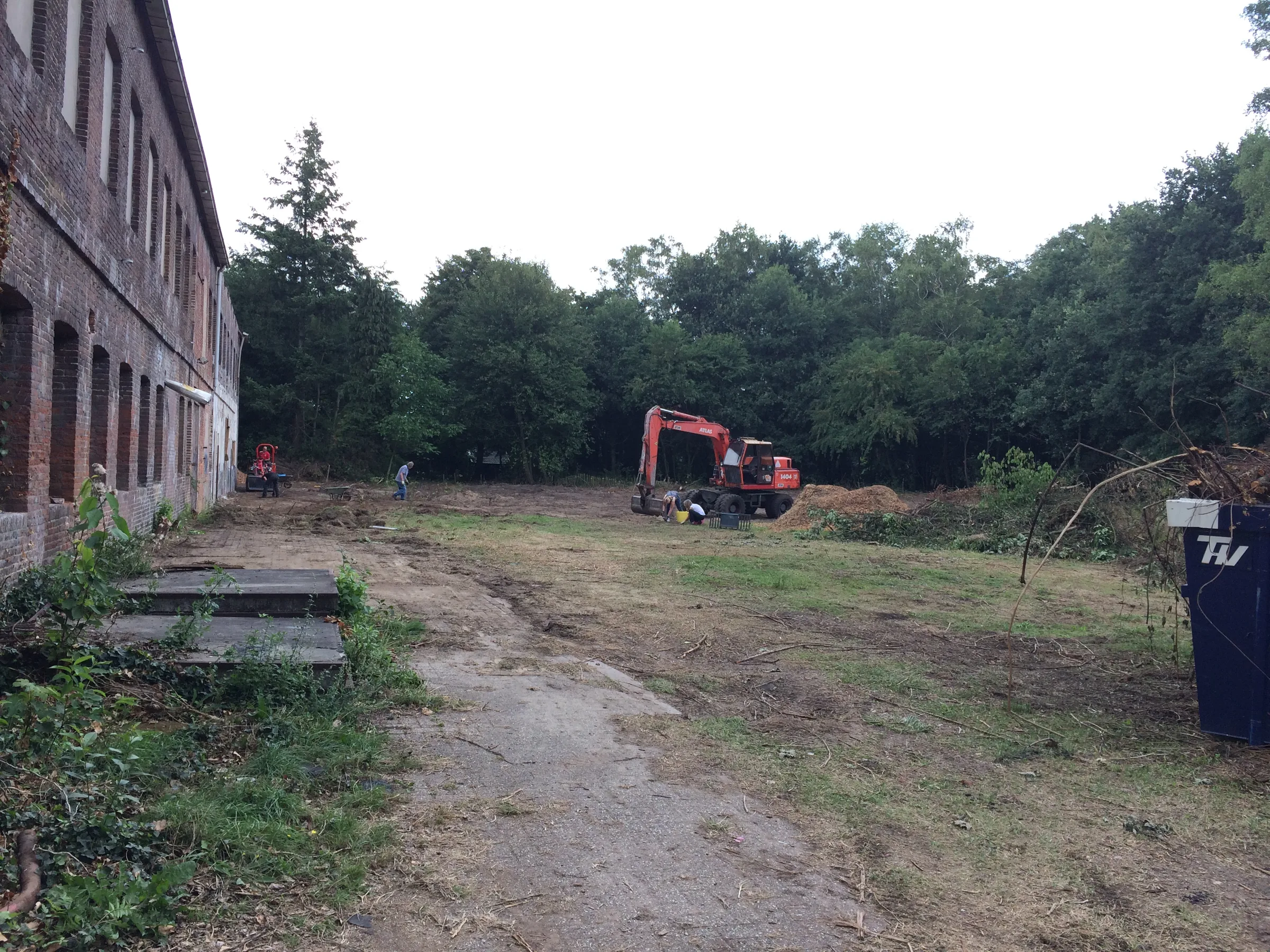
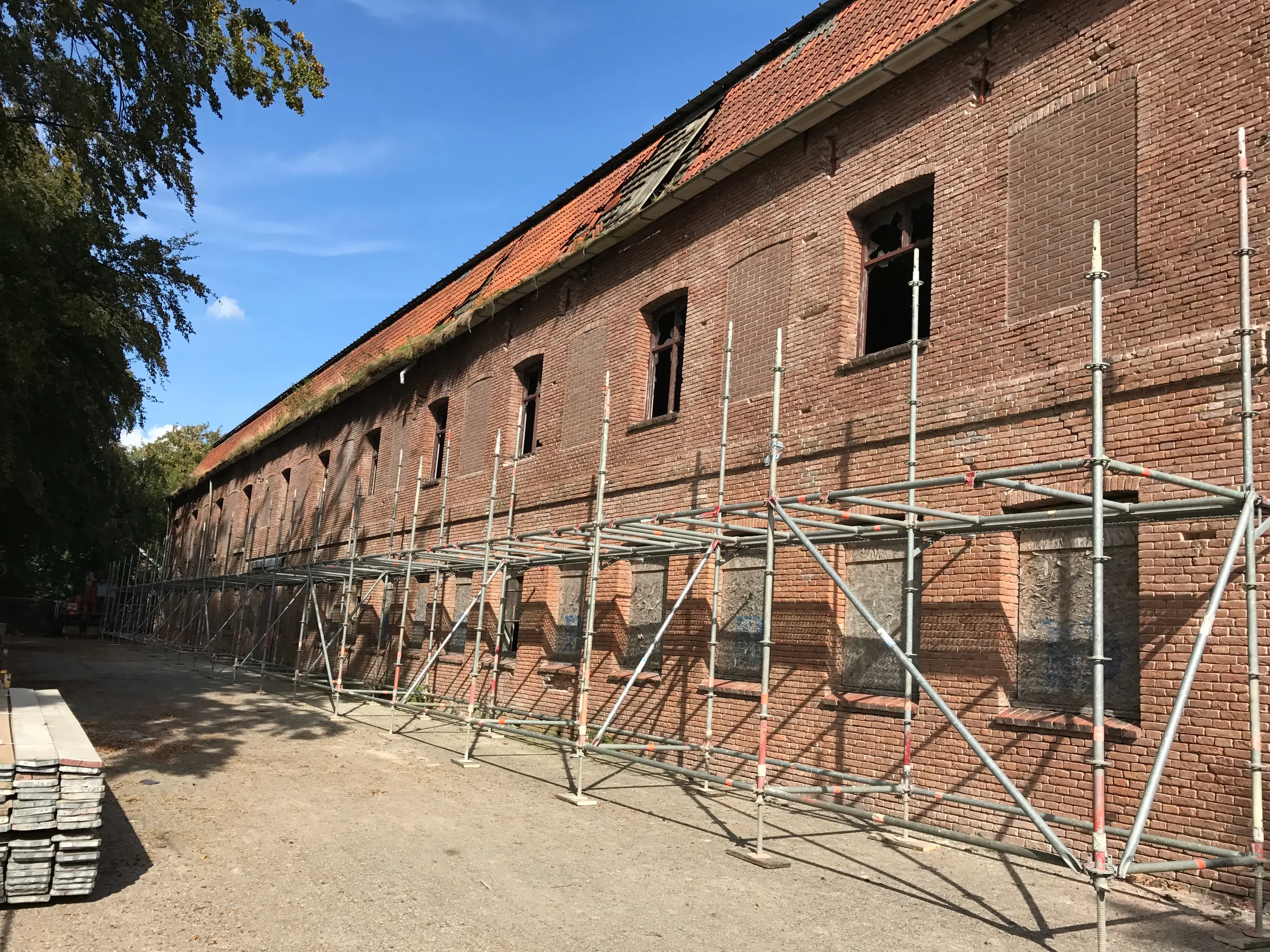
First the grounds: fourteen years of overgrowth comes out
1 / 5First the grounds: fourteen years of wild growth are cleared
Under scaffolding from 2016: demolition, restoration and rebuilding, much of it done ourselves
2 / 5Under scaffolding from 2016: demolition, restoration and rebuilding, much of it done ourselves
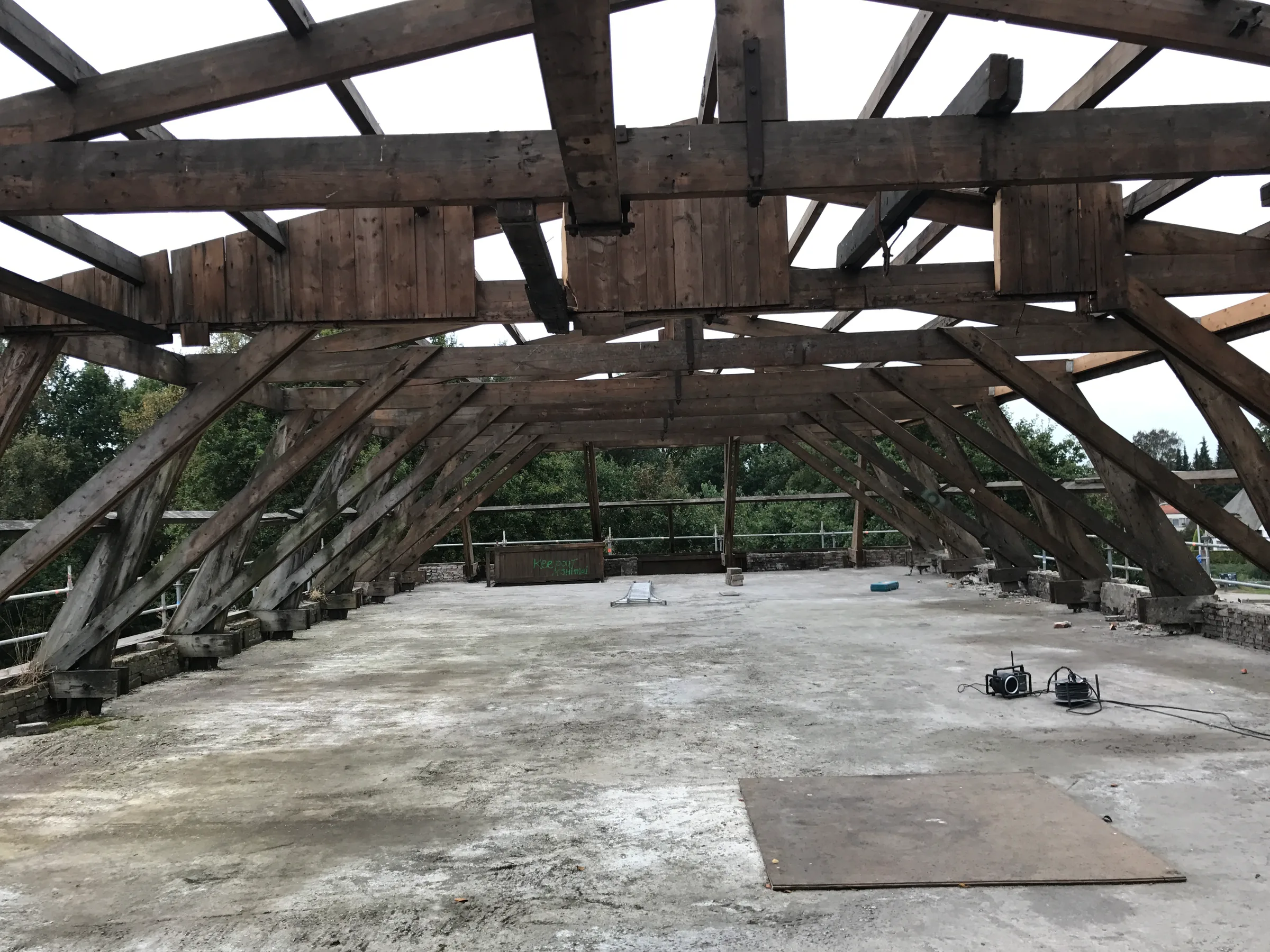
The roof came off, the old beams stayed
3 / 5The roof comes off, the old trusses stay standing
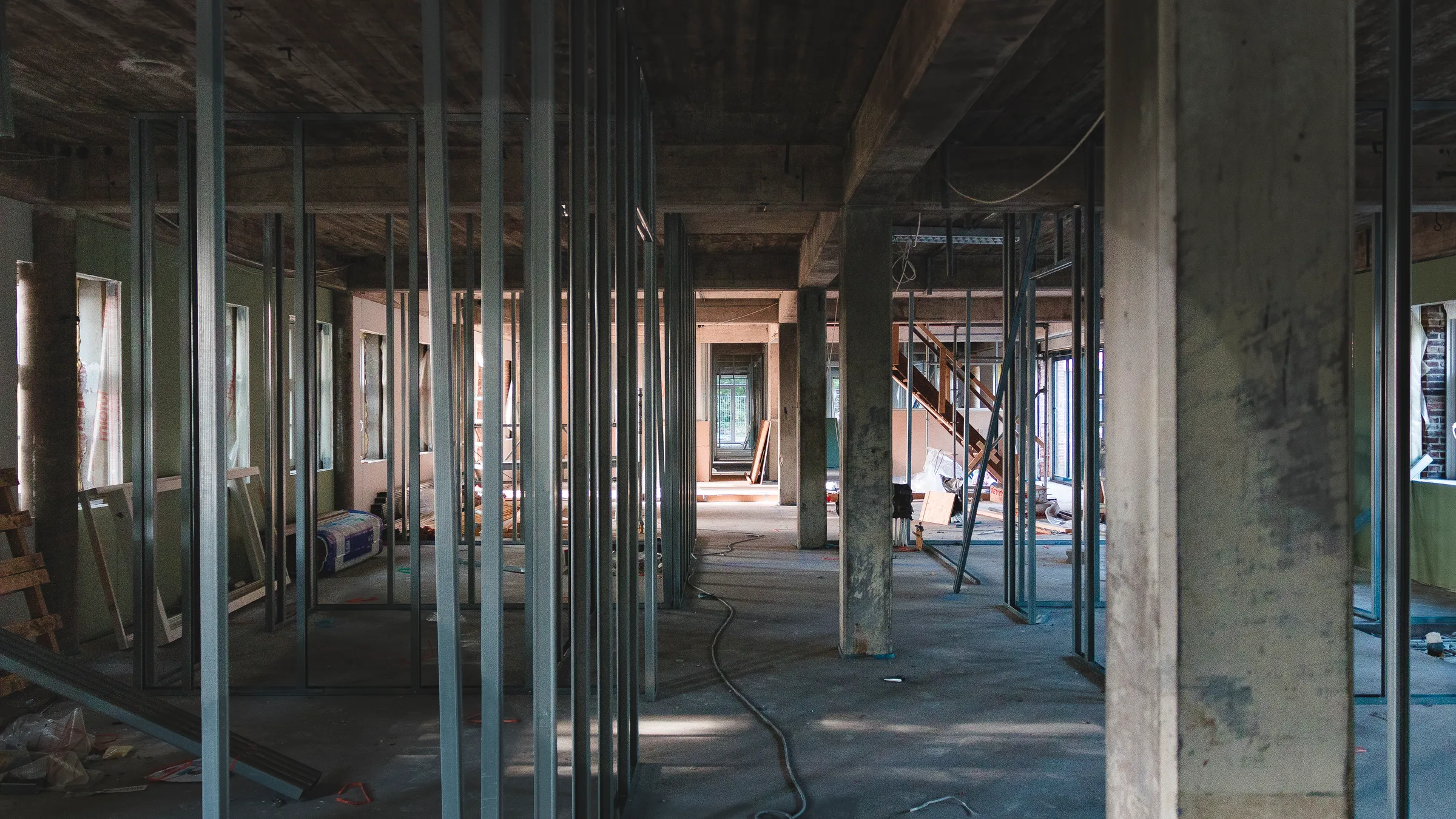
Inside, the walls of the rooms rise up
4 / 5Inside, the walls of the rooms rise up
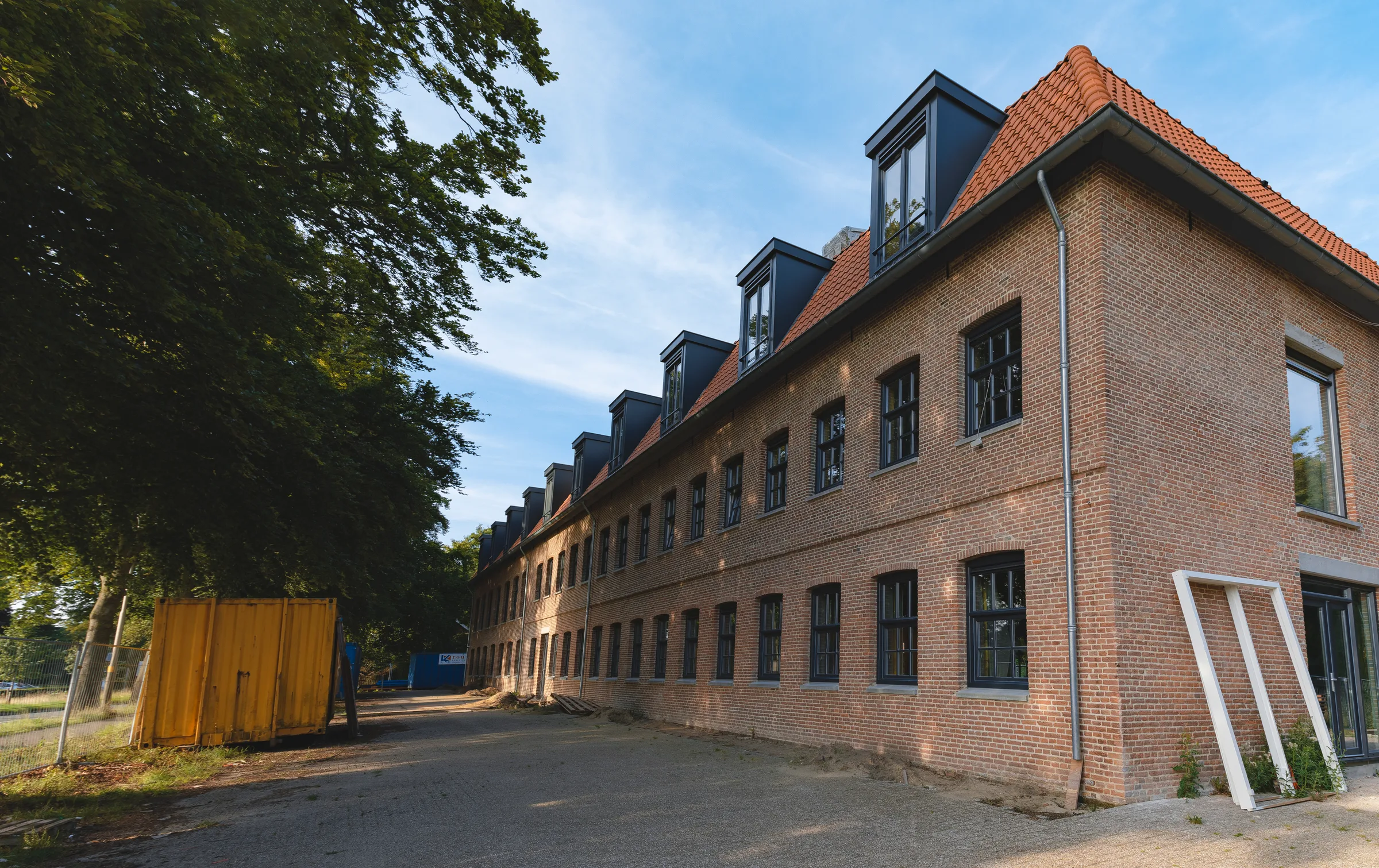
Summer 2017: new windows, a new roof, the old bricks
5 / 5Summer 2017: new windows, a new roof, the old bricks

2015

Gluten-free

Two young entrepreneurs buy the building. Market research points to a shortage of accommodation in the region; a hotel with a restaurant proves the finest new use, and the municipality gives the green light.
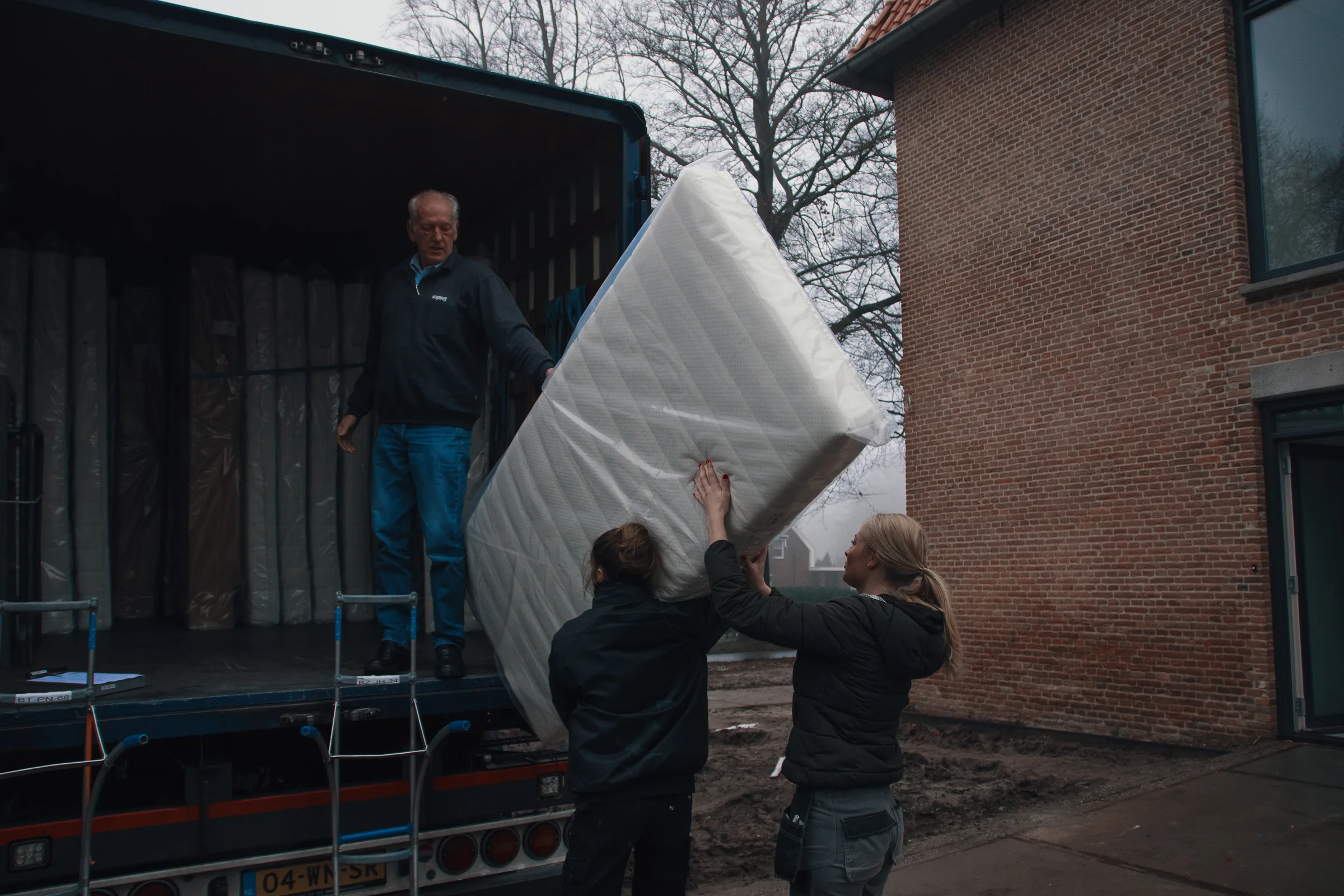
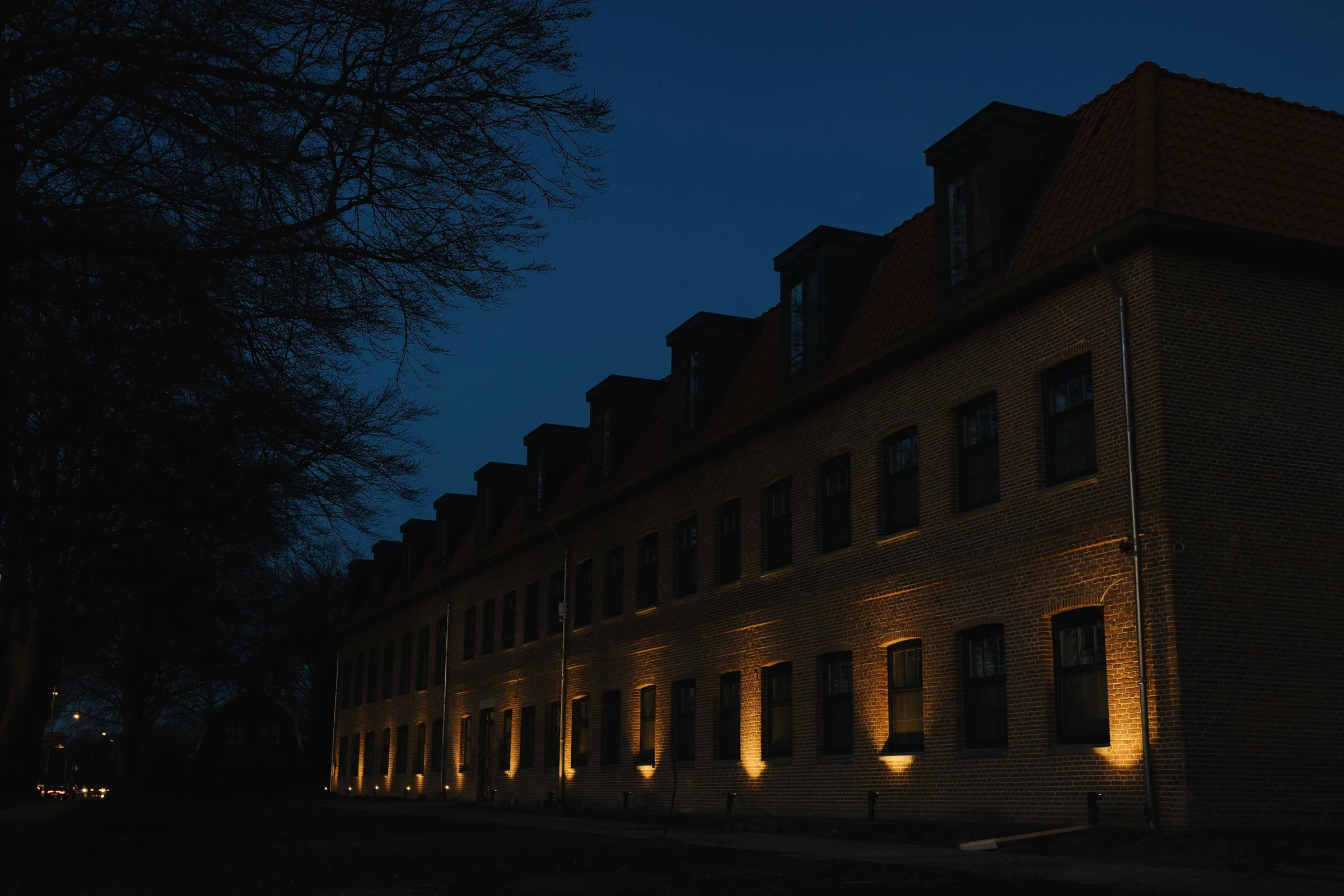
Winter 2018: the first beds are carried in
1 / 5Winter 2018: the first beds are carried in
Light behind the windows again, for the first time
2 / 5Light behind the windows once again
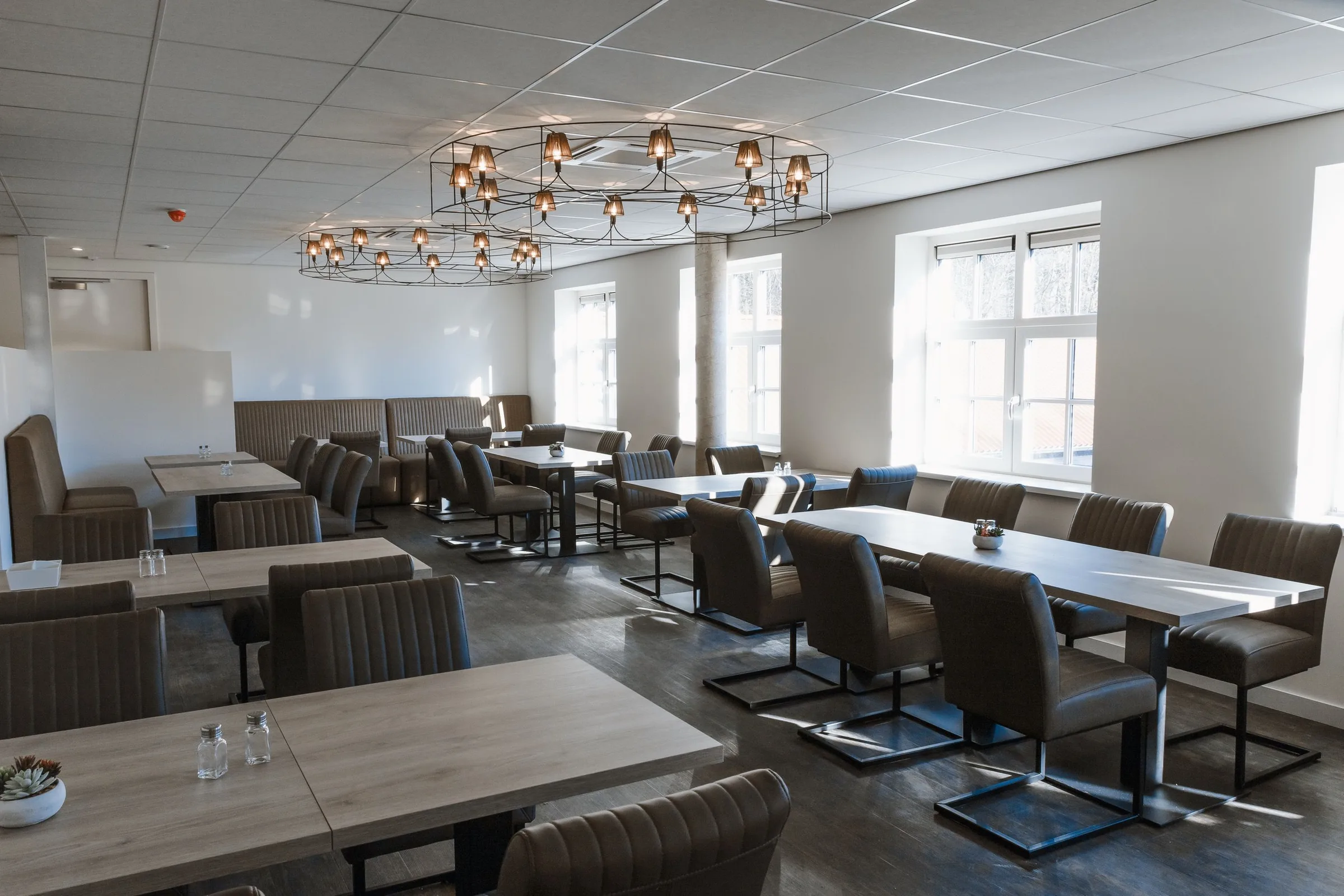
The breakfast room in spring 2018
3 / 5The breakfast room in spring 2018
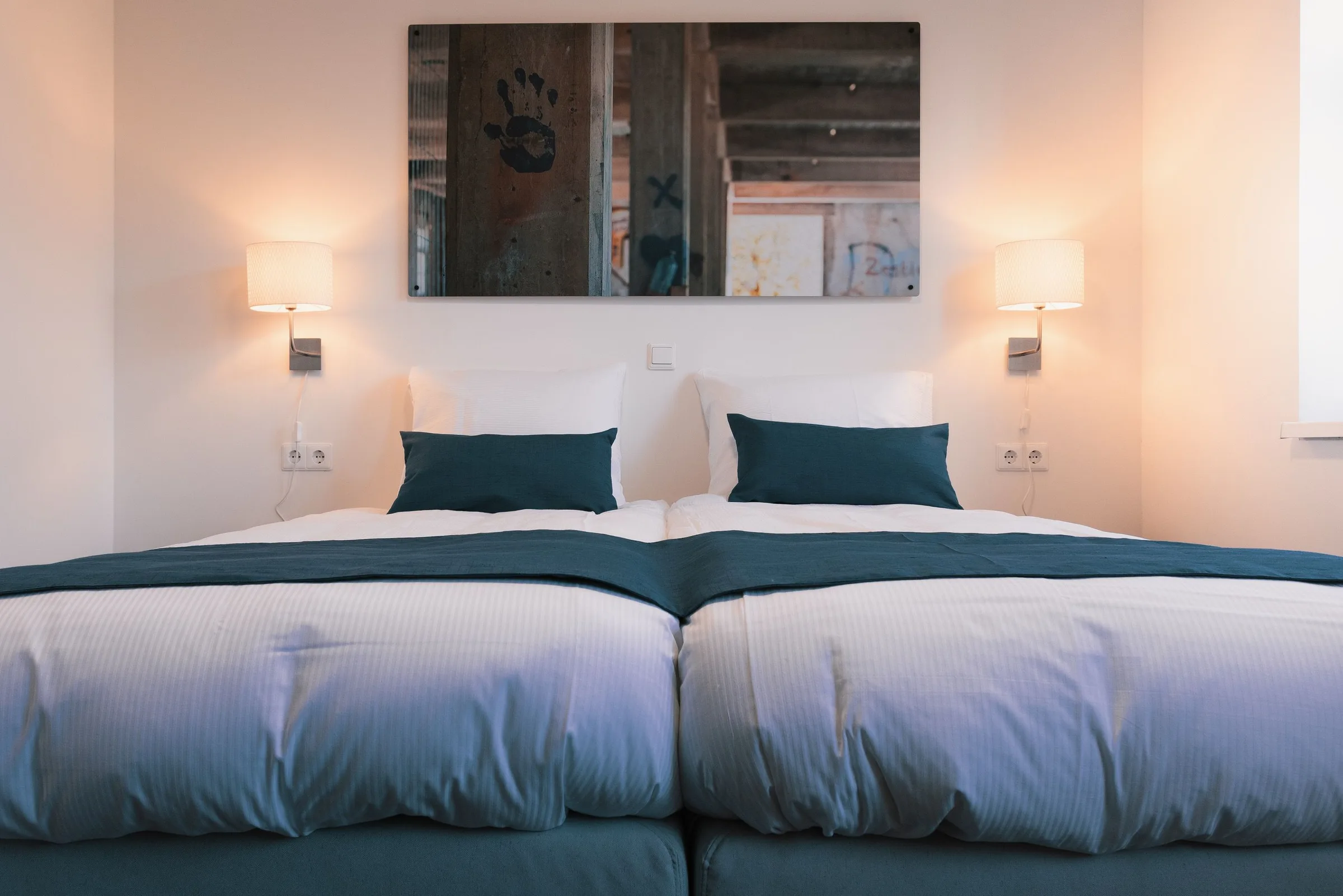
One of the first rooms
4 / 5One of the first rooms
May 2018: the first spring, the trees still young
5 / 5May 2018: the first spring, the trees still young

2018

The doors open

De Kastanjefabriek reopens as a hotel: sustainable, well insulated and without fuss, with excellent beds, powerful rain showers and an extensive breakfast.
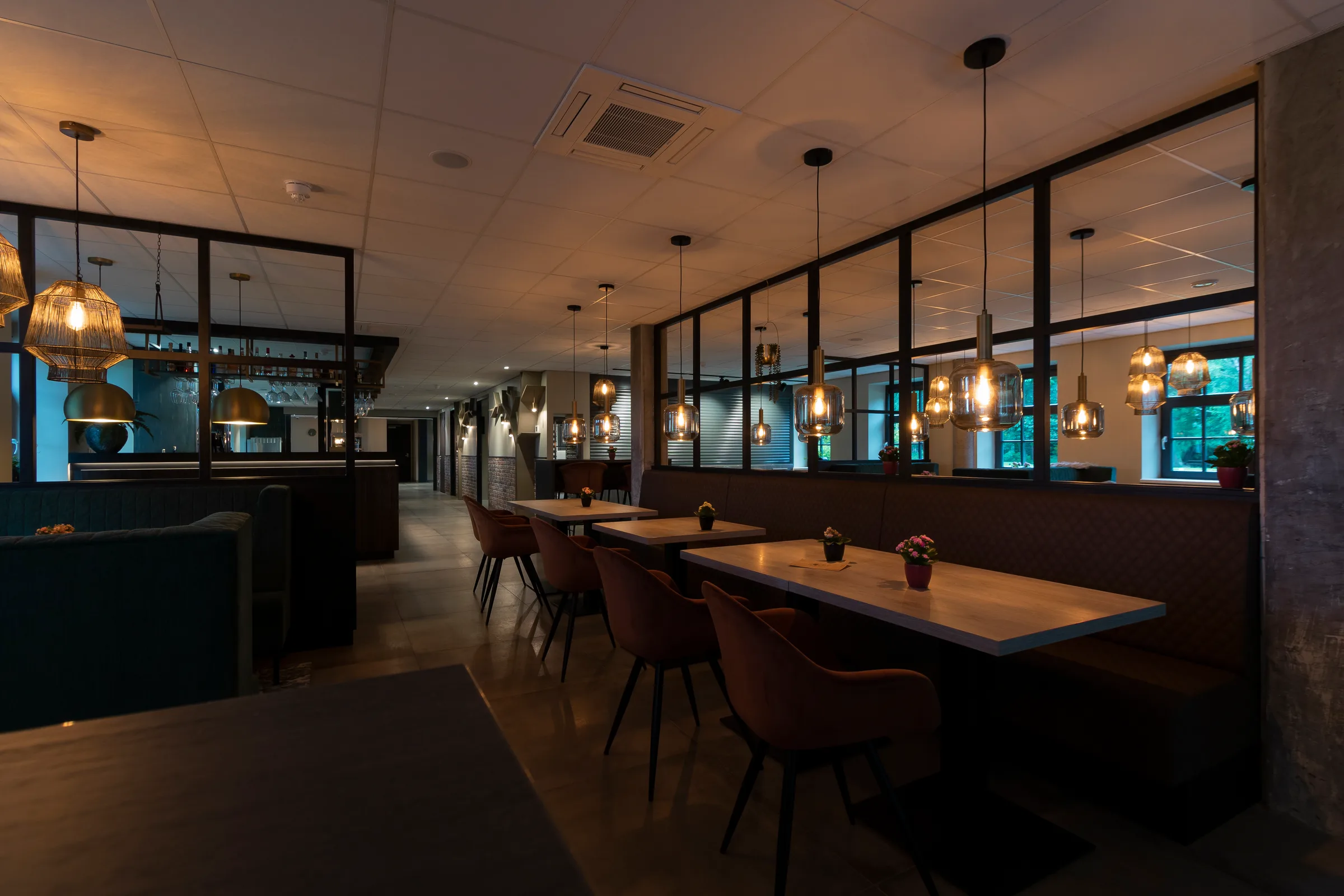
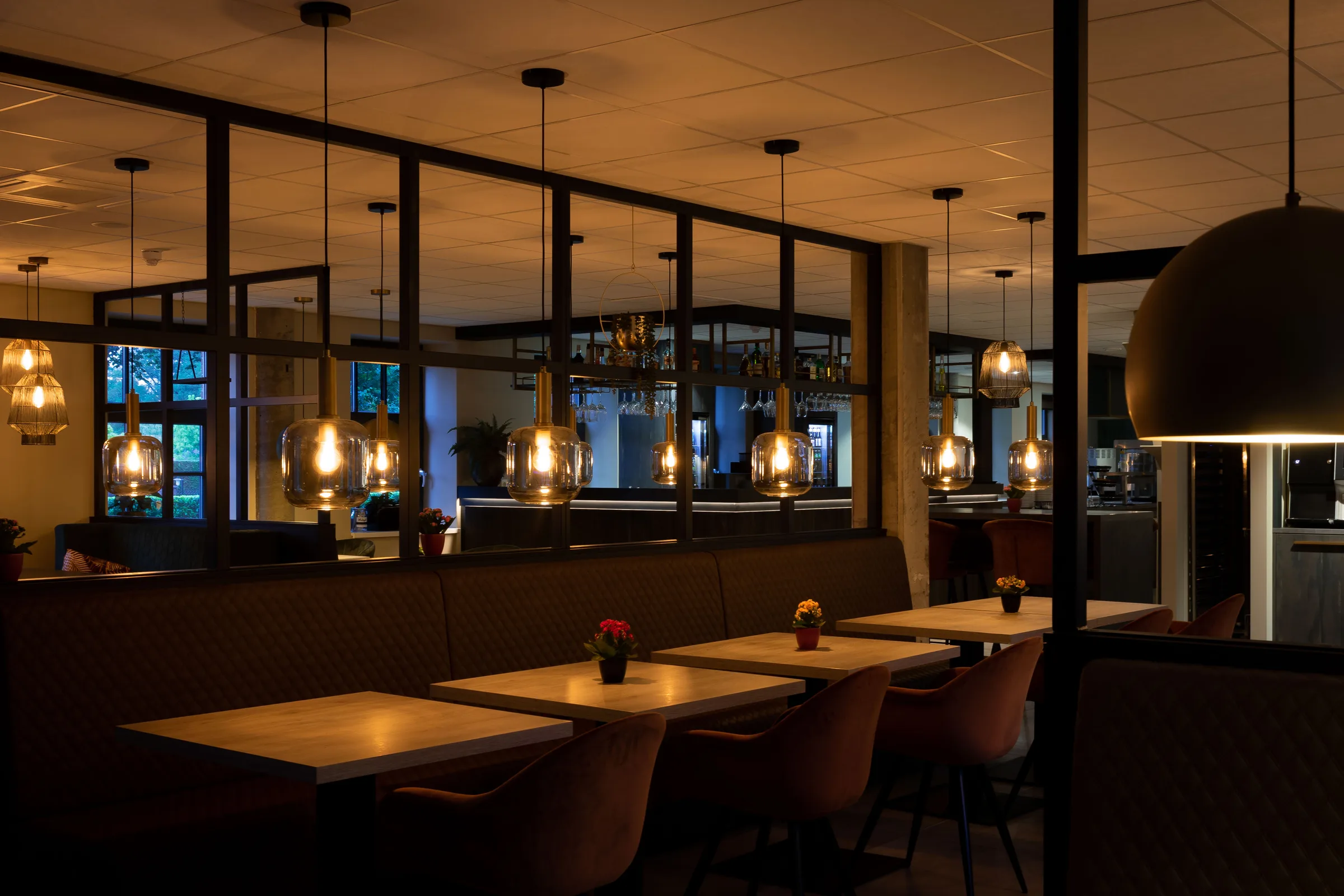
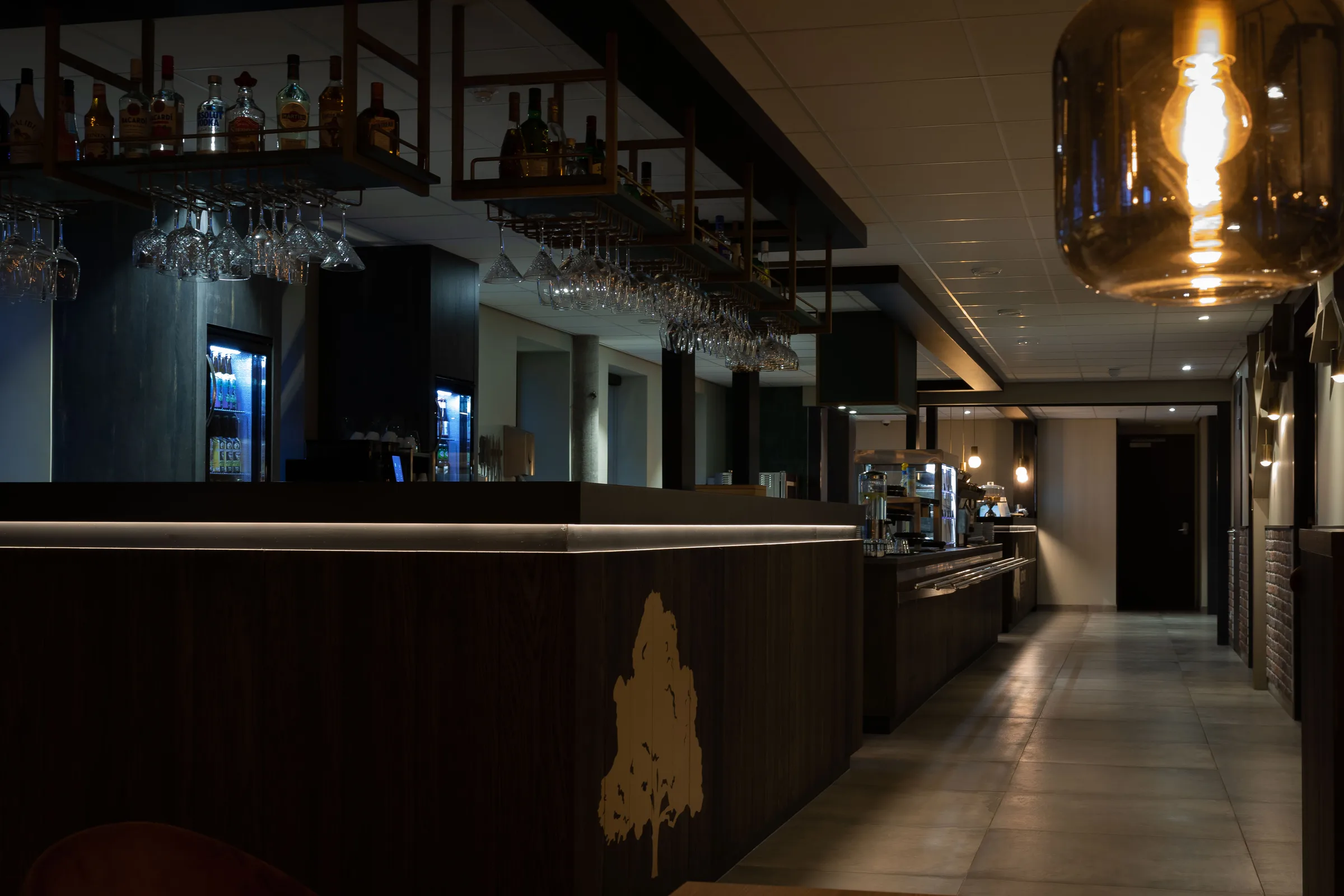
The long bar with the chestnut tree in the wood
1 / 3The long bar with the chestnut tree in the wood
Tables laid beneath the pendant lights, ready for the first guests
2 / 3Tables laid beneath the pendant lights, ready for the first guests
The bar, where the evening carries on
3 / 3The bar, where the evening carries on

2023

The restaurant opens

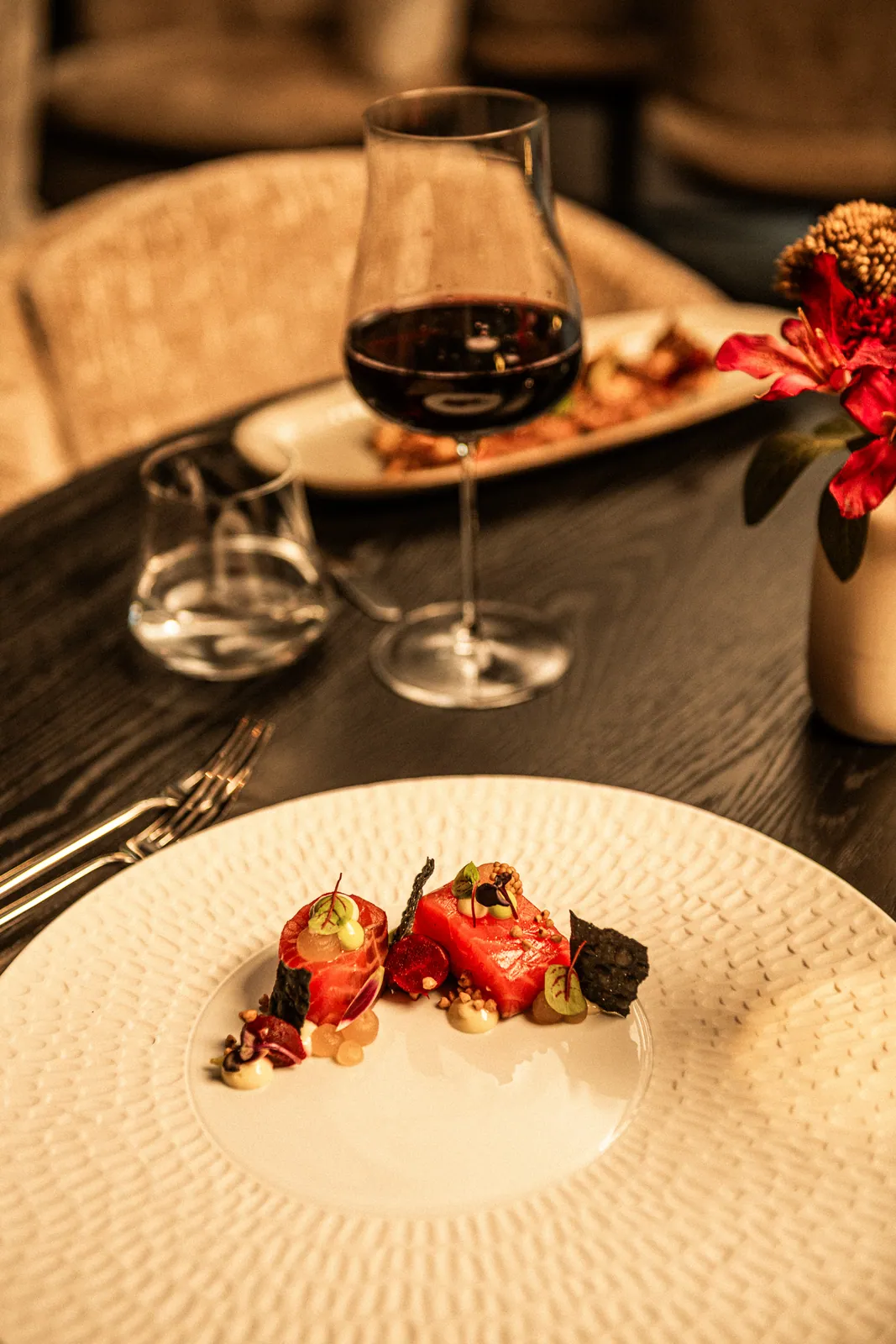
Under the same roof, the restaurant opens: lunch, dinner and a bar with bites, right in the heart of the old factory. From now on, hotel and restaurant are one house.
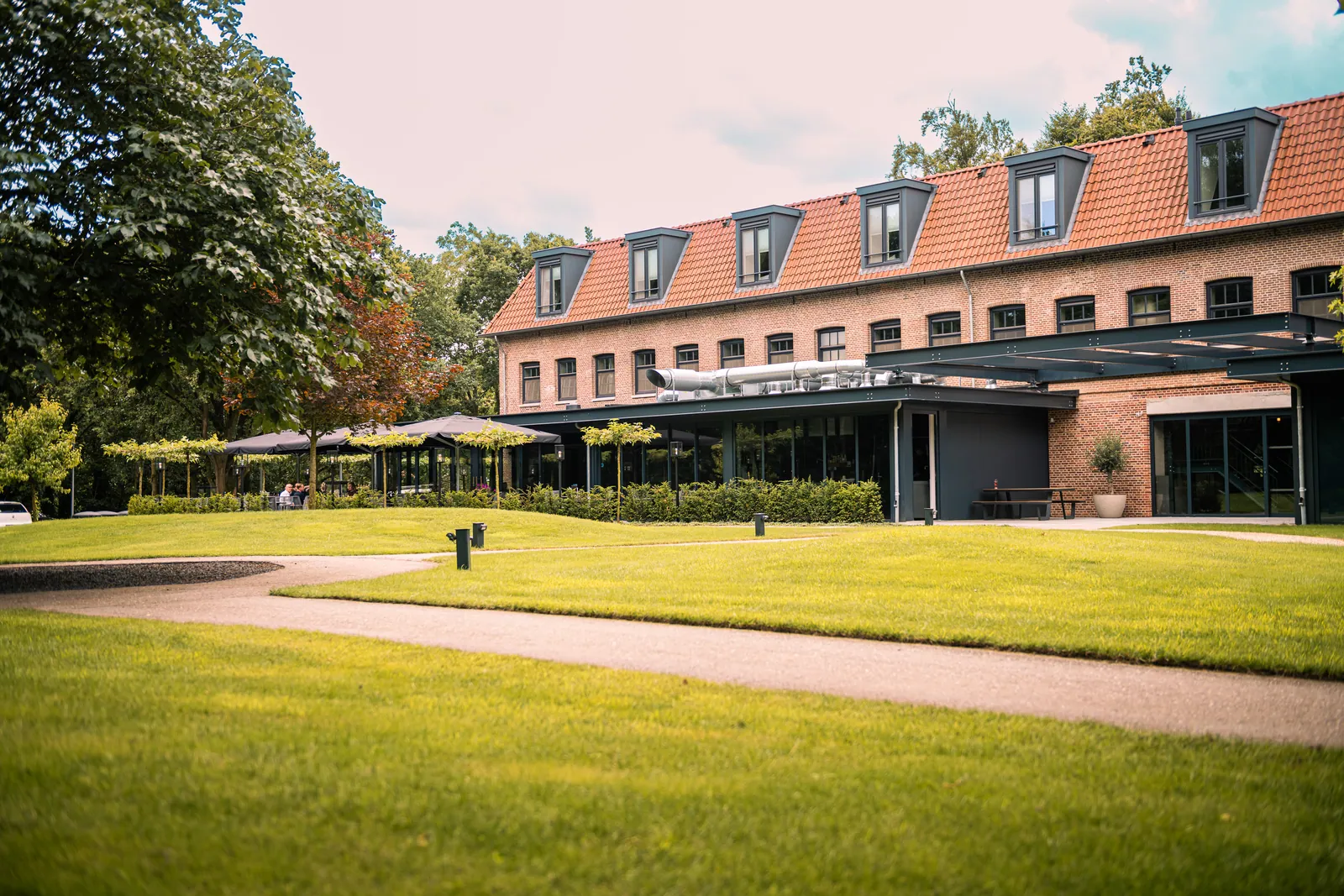
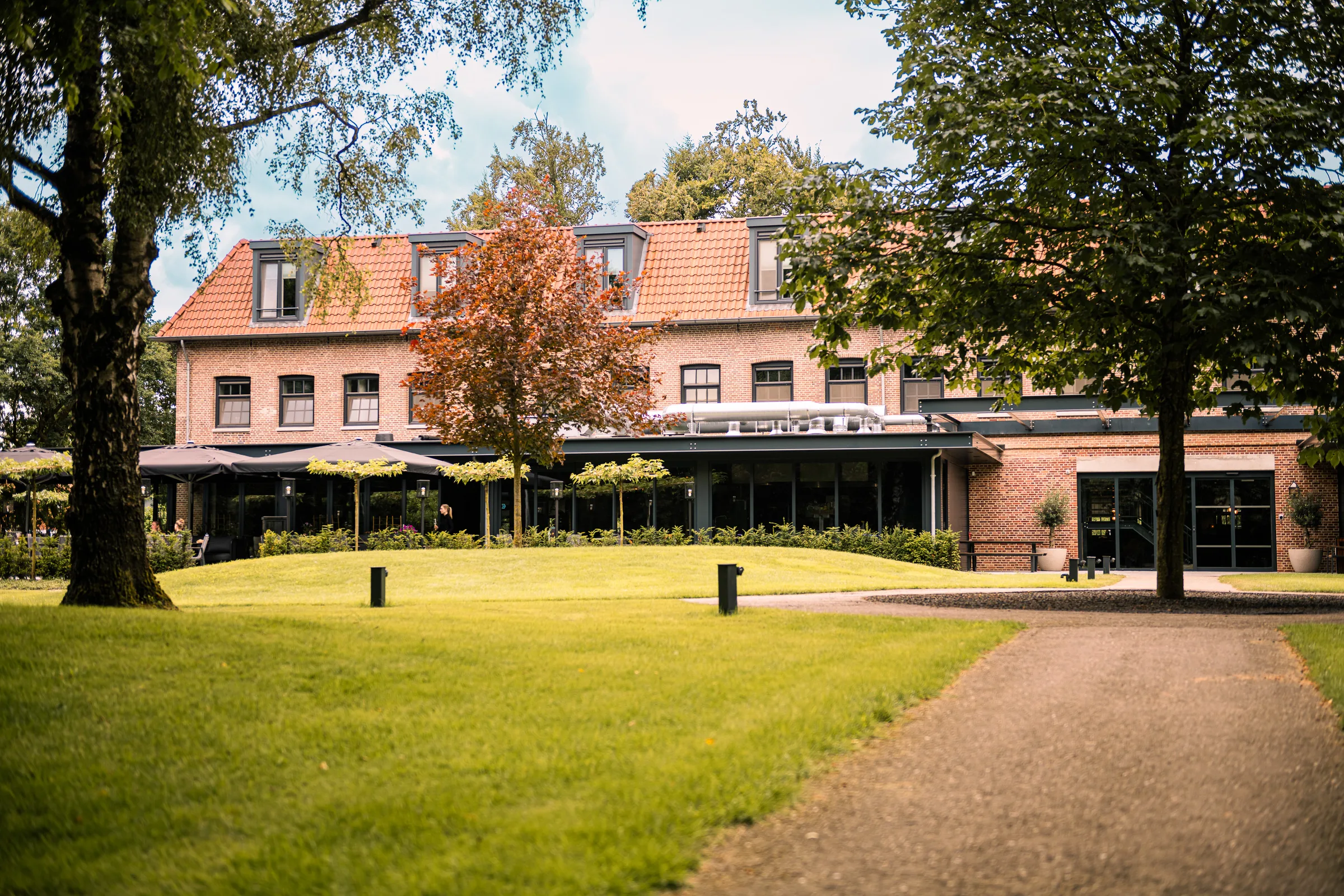
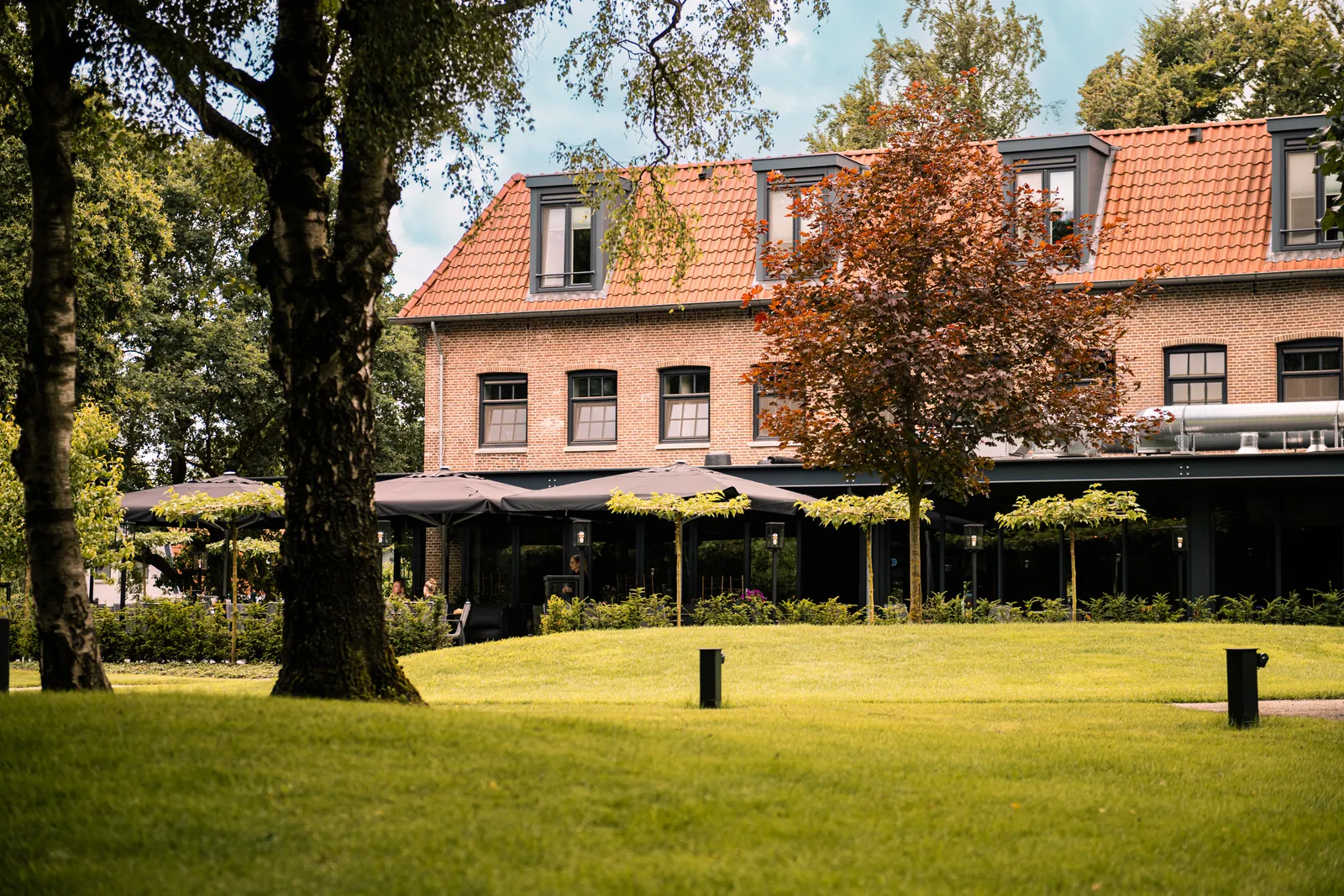
The conservatory on the garden side
1 / 2The conservatory on the garden side
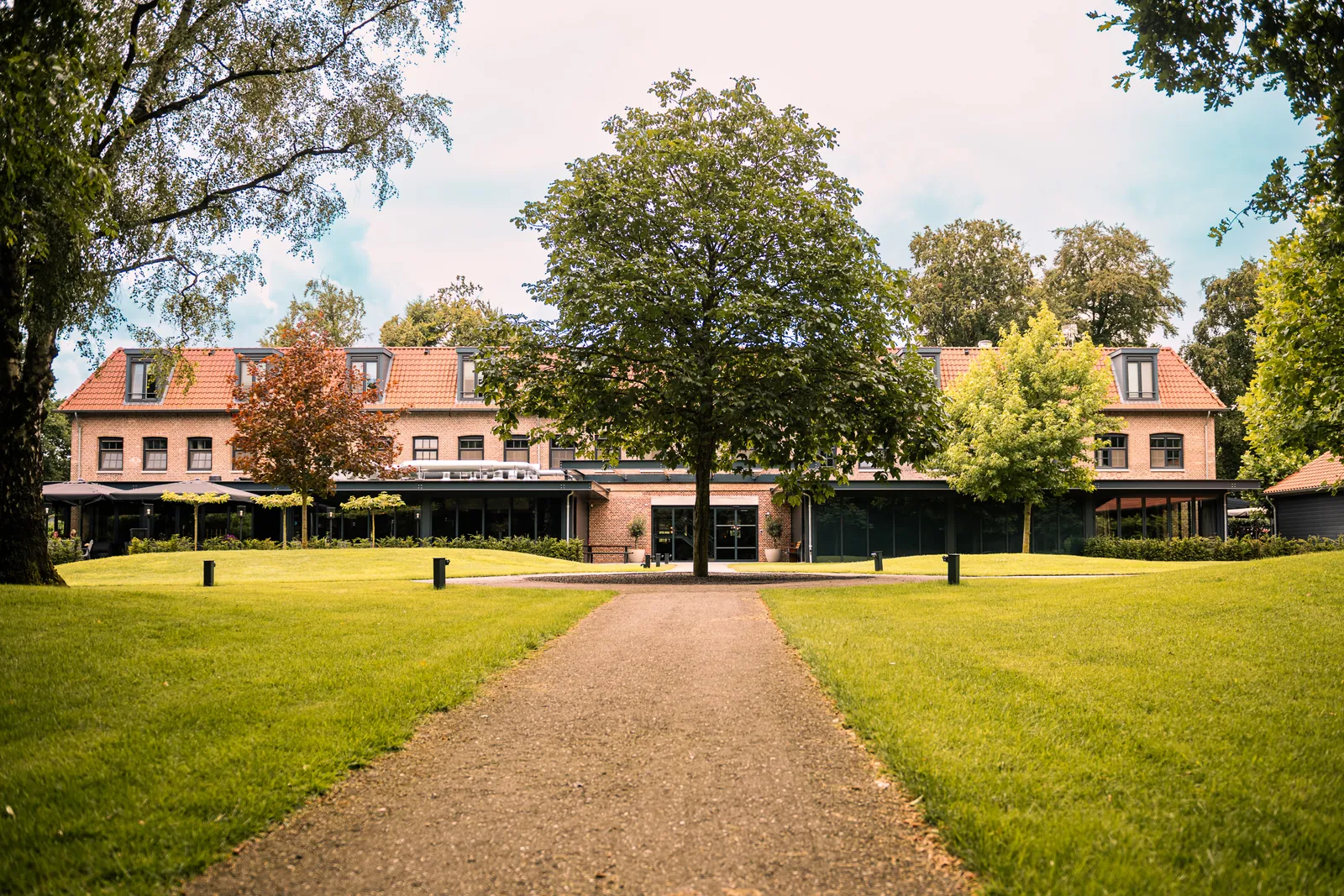
The path to the front door
2 / 2The path to the front door

2026

The story continues

With the conservatory on the garden side, the restaurant and terrace flow into the garden: light, space and views of the greenery, all year round.

“For years the building stood empty, and its decline was a thorn in the side of many people in Eibergen. We managed to save one of the oldest factory buildings from demolition.”

DirkJan and Joyce

Why chestnut?

In front of the building there once stood a row of chestnut trees. Beautiful, until the first cars arrived: falling chestnuts dented the bodywork. The trees made way for beeches, but locally it remained De Kastanjefabriek.

Tap or click anywhere: another one will fall.
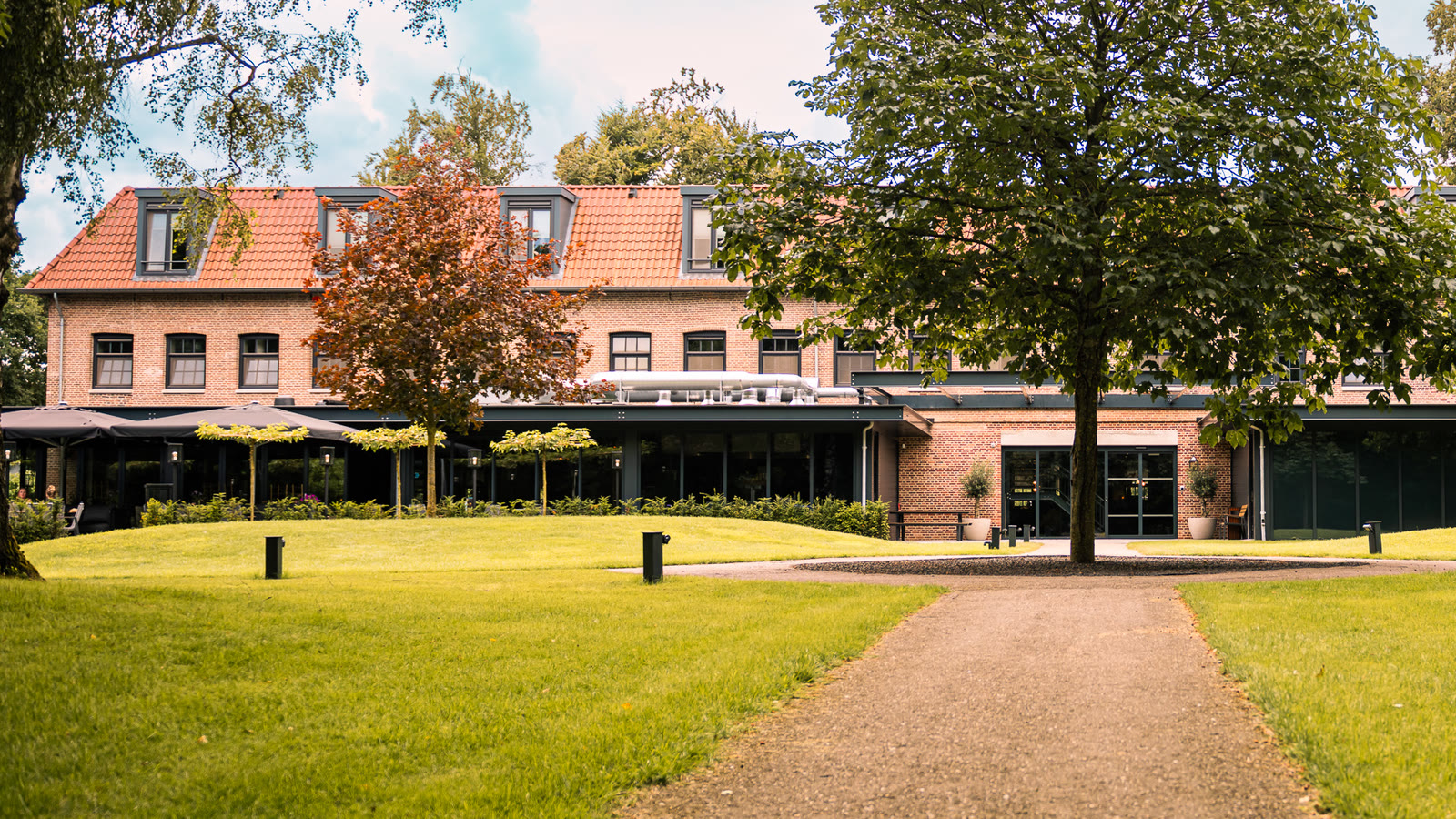
Fourteen years empty. Now this.

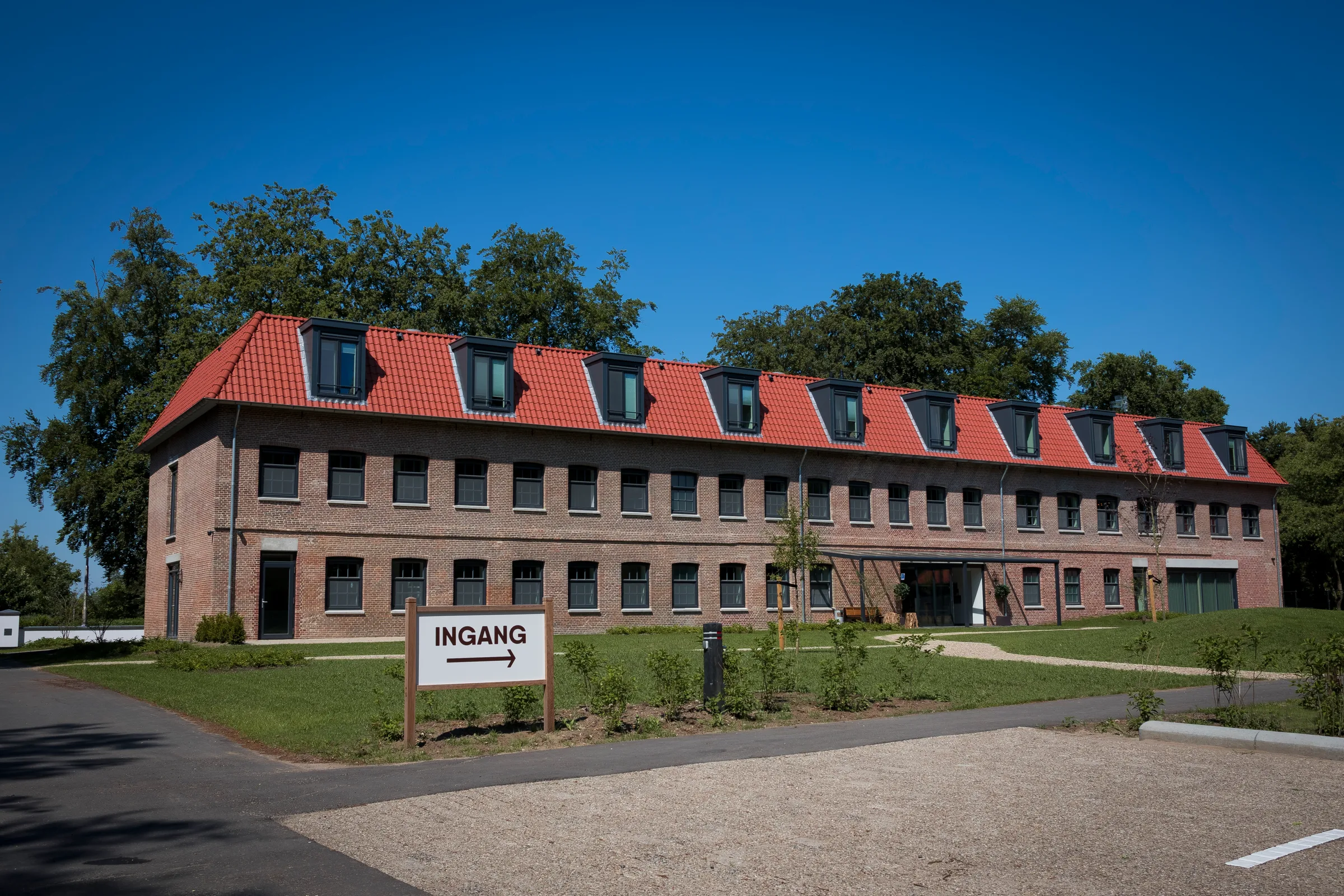
De Kastanjefabriek today, restored, with the lawn and the tree in front The factory while it stood empty, with a broken roof and boarded-up windows ThenNow

See the transformation

Three years of demolition, restoration and building, much of it done ourselves.
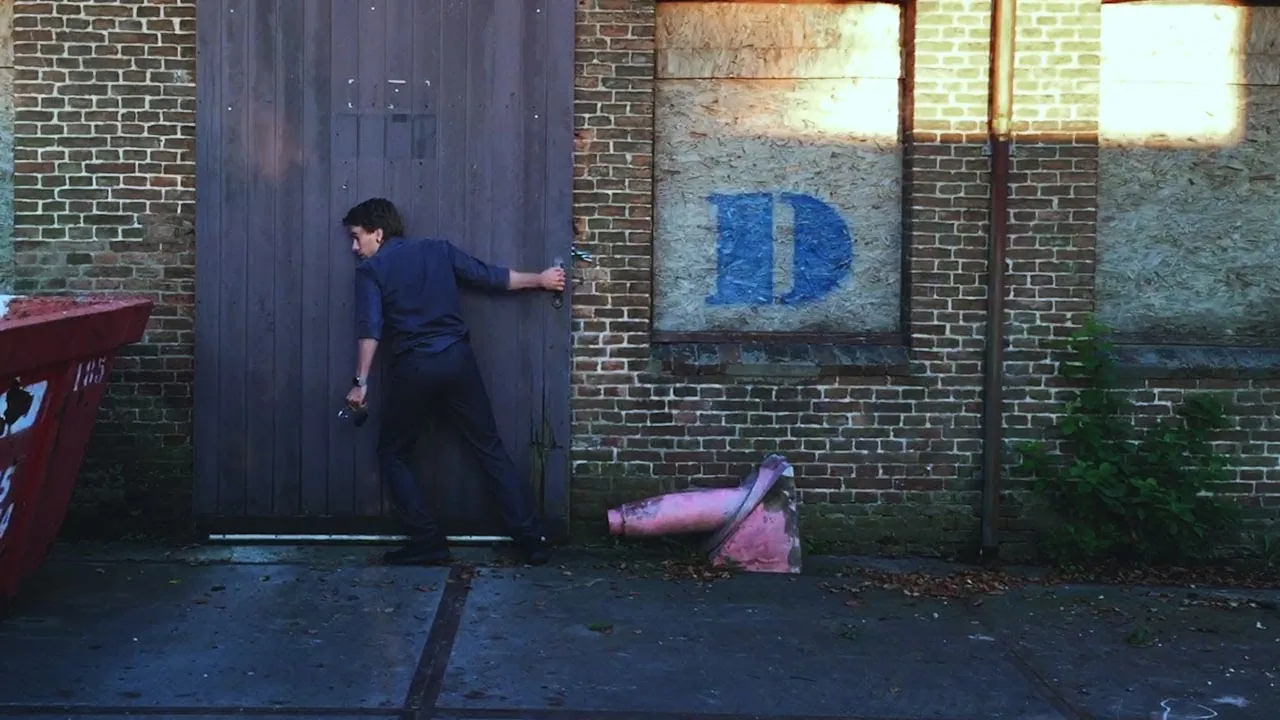
De Kastanjefabriek - AftermovieThe video loads from YouTube once you click play.

Book a roomBook a table